 Auteur
 - • Background for The Cape Breton Miners Museum
- • Berlin International Film Festival
- • Cannes Film Festival
- • Cat On a Hot Tin Roof
- • Chris Hedges Interviews Noam Chomsky
- • Chris Hedges on the Empire of Illusion
- • Chris Hedges on Wage Slavery
- • Critical Theory
- • David Lynch On Facebook
- • David Thomson
- • Emma Goldman
- • Emma Goldman Archive
- • IMDB
- • Interview with slavoj Zizek
- • John Sayles on Twitter
- • Kim Ki Duk on Facebook
- • Krzysztof Kieslowski
- • Labour Unions Rise Against Wage Slavery
- • Lars Von Trier on Facebook
- • Learning to Look Stewart Donovan on Movie Culture
- • Learning to Look Stewart Donovan on Movie Culture
- • Literature Online
- • Much Ado About Nothing
- • Neil Jordan
- • Pauline Kael
- • Pedro Almodovar on Facebook
- • Peter Bradshaw
- • Peter Bradshaw
- • Roger Ebert Reviews
- • Rotten Tomatoes
- • Salon Movies
- • Script for Cat On a Hot Tin Roof
- • Slavoj Žižek Living in the End Times
- • Slavoj Žižek on Ideology
- • Slavoj Žižek on Kung Fu Panda
- • Slavoj Žižek on Titanic
- • Stewart Donovan
- • Stewart Donovan The Nashwaak Review
- • Stewart Donovan The Nashwaak Review
- • Stewart Donovan's Film and Cultural Studies Essays
- • STU
- • The Guardian Movies
- • The Owl at Purdue
- • Toronto International Film Festival
- • UNB Libraries
- • Venice Film Festival
- • Wage Slavery and the Glace Bay Miners Museum
- • Werner Herzog on Facebook
- • Zizek on IEP
Auteur - • Background for The Cape Breton Miners Museum
- • Berlin International Film Festival
- • Cannes Film Festival
- • Cat On a Hot Tin Roof
- • Chris Hedges Interviews Noam Chomsky
- • Chris Hedges on the Empire of Illusion
- • Chris Hedges on Wage Slavery
- • Critical Theory
- • David Lynch On Facebook
- • David Thomson
- • Emma Goldman
- • Emma Goldman Archive
- • IMDB
- • Interview with slavoj Zizek
- • John Sayles on Twitter
- • Kim Ki Duk on Facebook
- • Krzysztof Kieslowski
- • Labour Unions Rise Against Wage Slavery
- • Lars Von Trier on Facebook
- • Learning to Look Stewart Donovan on Movie Culture
- • Learning to Look Stewart Donovan on Movie Culture
- • Literature Online
- • Much Ado About Nothing
- • Neil Jordan
- • Pauline Kael
- • Pedro Almodovar on Facebook
- • Peter Bradshaw
- • Peter Bradshaw
- • Roger Ebert Reviews
- • Rotten Tomatoes
- • Salon Movies
- • Script for Cat On a Hot Tin Roof
- • Slavoj Žižek Living in the End Times
- • Slavoj Žižek on Ideology
- • Slavoj Žižek on Kung Fu Panda
- • Slavoj Žižek on Titanic
- • Stewart Donovan
- • Stewart Donovan The Nashwaak Review
- • Stewart Donovan The Nashwaak Review
- • Stewart Donovan's Film and Cultural Studies Essays
- • STU
- • The Guardian Movies
- • The Owl at Purdue
- • Toronto International Film Festival
- • UNB Libraries
- • Venice Film Festival
- • Wage Slavery and the Glace Bay Miners Museum
- • Werner Herzog on Facebook
- • Zizek on IEP
Auteur Cinema
Thursday 4:00-6:50 BMH 101
Prof. Stewart Donovan sdonovan@stu.ca EC307
Email: sdonovan@stu.ca
Phone: 452-0426
Office hours: Wednesday 1:00- 3:30 Thursday 1:00-3:30 or by appointment.
Course Requirements
Journal 30%:
A more informal style of writing, your journal entries should be on a weekly basis and must record notes from class, conversations with fellow students, family, friends et. al. about auteur cinema. The should be at least a page or two in length. They may be handwritten but I must be able to read them clearly. Students must also view at lest one auteur film a week besides the one they view in class. These films can be viewed on line, Netflicks, itunes or from a selection at the library. The journal/notebook should also record reading and research you are doing either at the library or on-line. There are two deadlines for this journal: for those seeking feedback on their writing, Thursday, February 13th; the second deadline is the last day of class there is no penalty associated with the second deadline, but students will receive a letter grade only.
Class mark 10 %
Paper 20%:
For your essay you must compare and contrast at least two films from class with two films of your own choosing. The paper should be between 6 and 10 typed double spaced pages. The paper is due on or before the final exam day.
Final Exam 40%:
This exam may be done as a take home to be passed in on the exam day or as an open book, in-class essay to be written during the designated exam time. Students will be asked to prepare two essays from a series of topics given out on the last day of class.
Lesson I Orson Welles, Roberto Rosellini and the politics of auteurism.
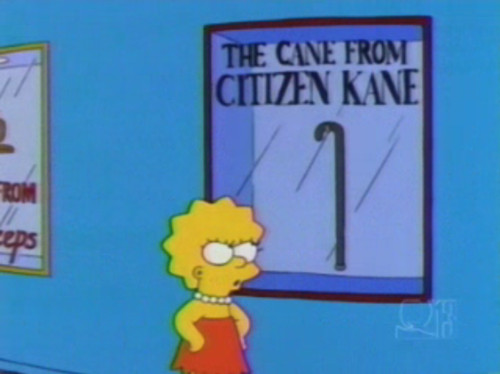

Lesson II Stanley Kubrick, Sam Peckinpah, Arthur Penn, Francois Truffaut, Jean Luc Goddard
and Quentin Tarantino .

Lesson III
Luis Bunuel Artist in Exile: Fantasy and Desire. Truth and Reason. Freud, Marx and the cinema's first intellectual. Gramsci, hegemony and the Spain of Franco.
"Pleasure falls out side the realm of knowledge, and is therefore dangerously anarchic". —Terry Eagleton, After Theory


Lesson IV Luis Bunuel: Church and State


Lesson V
Ingmar Bergman: Pursuing the personal.


Lesson VI
Ingmar Bergman in the wake of the novel: the claims of interiority.


Lesson VII
Yasujuro Ozu: Domestic Cinema

Lesson VIII
Werner Herzog: The Human Planet


Lesson IX
Werner Herzog
Lesson X
Cronenberg and Todd Solondz: Truth to Power: battling the Hollywood neo-cons and neo-liberals.

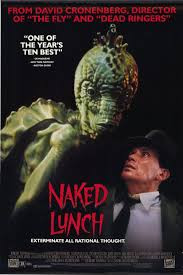

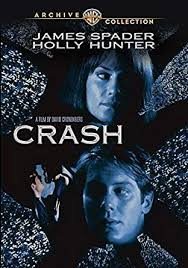
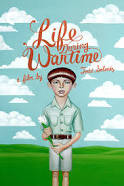

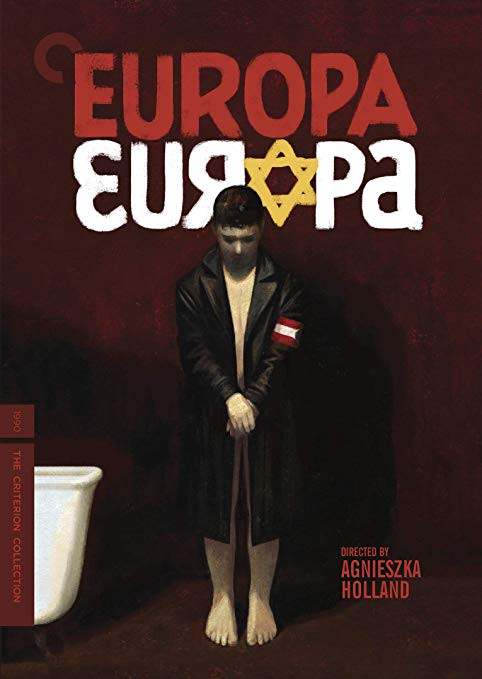
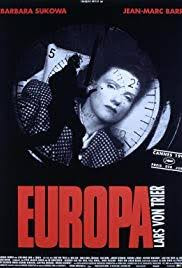
Lesson XI Europe Past and Present: Agnieszka Holland and Lars Von Trier.
Lesson XII
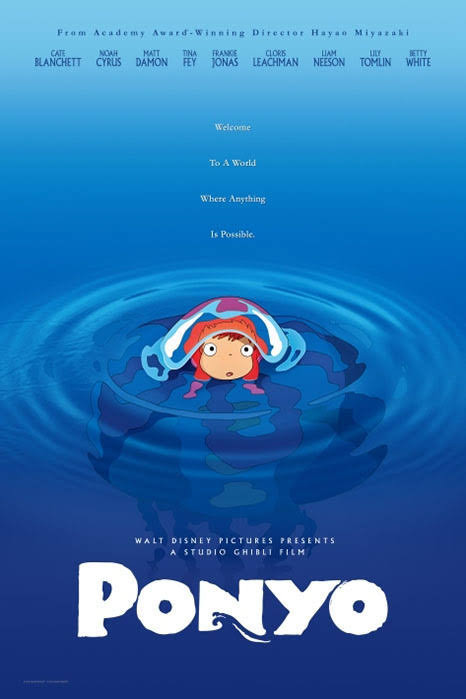
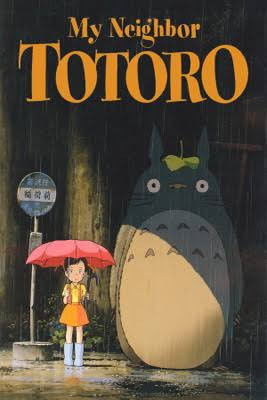
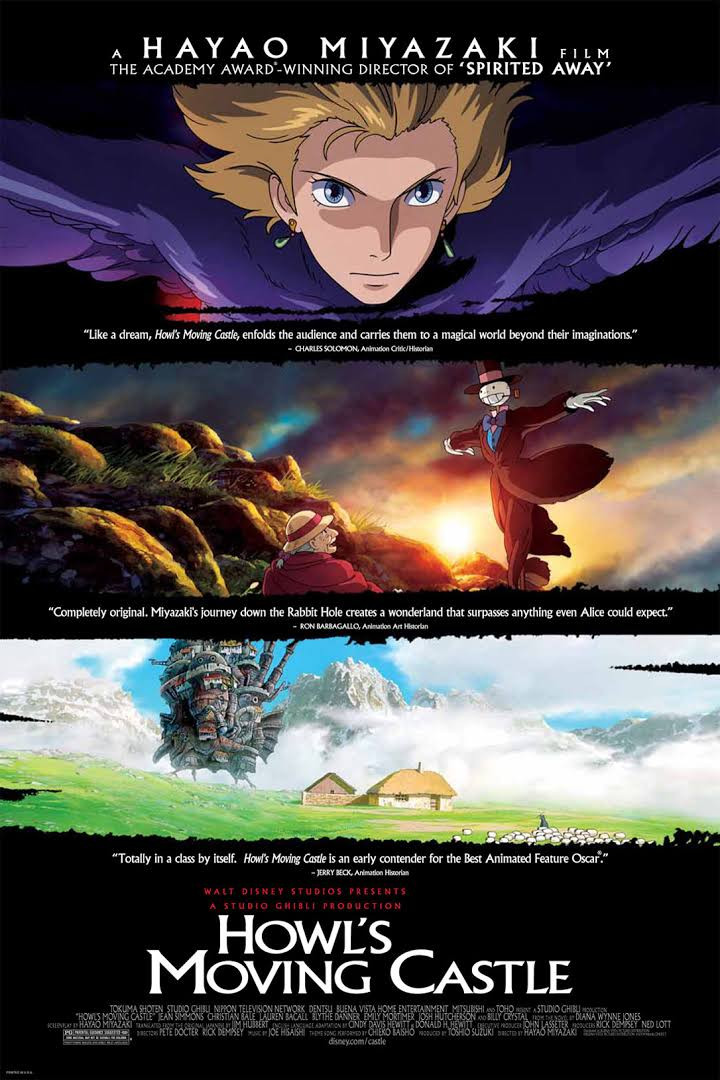
The World of Hayao Miyazaki