ENGL 2733 Film I
Tuesday 4:00-6:50
Dr. Stewart Donovan
Hardcore Cool Lecture
Lecture 1 on Picture Show
Picture Show/ Lone Star(intro)
Lone Star Lecture 2
Watership Down Lecture One
Watership Down Lecture 2
Lebowski 2
Lecture on Secrets and Lies
Lecture on Celebration
Lecture 2 The Celebration
Lecture One Mexican Cinema
Lecture on Amores
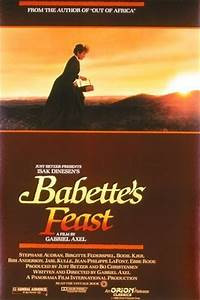
Last Lecture for 2020 Babette's Feast
sdonovan@stu.ca

Topics and Lectures
1. Introduction: What's all this sitting in the dark?
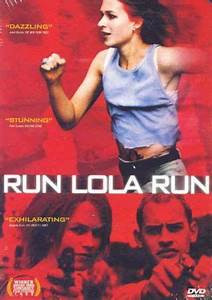
Culture, politics, sex, art and entertainment . Cultural studies, politics and the Mass Medium, from the Frankfurt School to Marshall McLuhan. Eisenstein and the theory of Montage. The dilemma of aesthetics: D.W. Griffith's, John Ford, Leni Riefienstahl and racism. German expressionism and The Cabinet of Dr. Caligari. Theory: Astruc, Bazin, and Cahiers du Cinema, Andre Breton and the cinema age. The French New Wave; FrancoisTruffaut, and Jean Luc Godard; the Czech New Wave. Readings and References :Walter Benjamin: "The Work of Art in the Age of Mechanical Reproduction." Marshall McLuhan: The Gutenberg Galaxy, The Mechanical Bride, The Medium is the Message. Antonio Gramsci and the theory of hegemony. Theodore Adorno The Culture Industry and the commodification of culture. Chris Hedges Clive James Fame in the 20th Century Fame
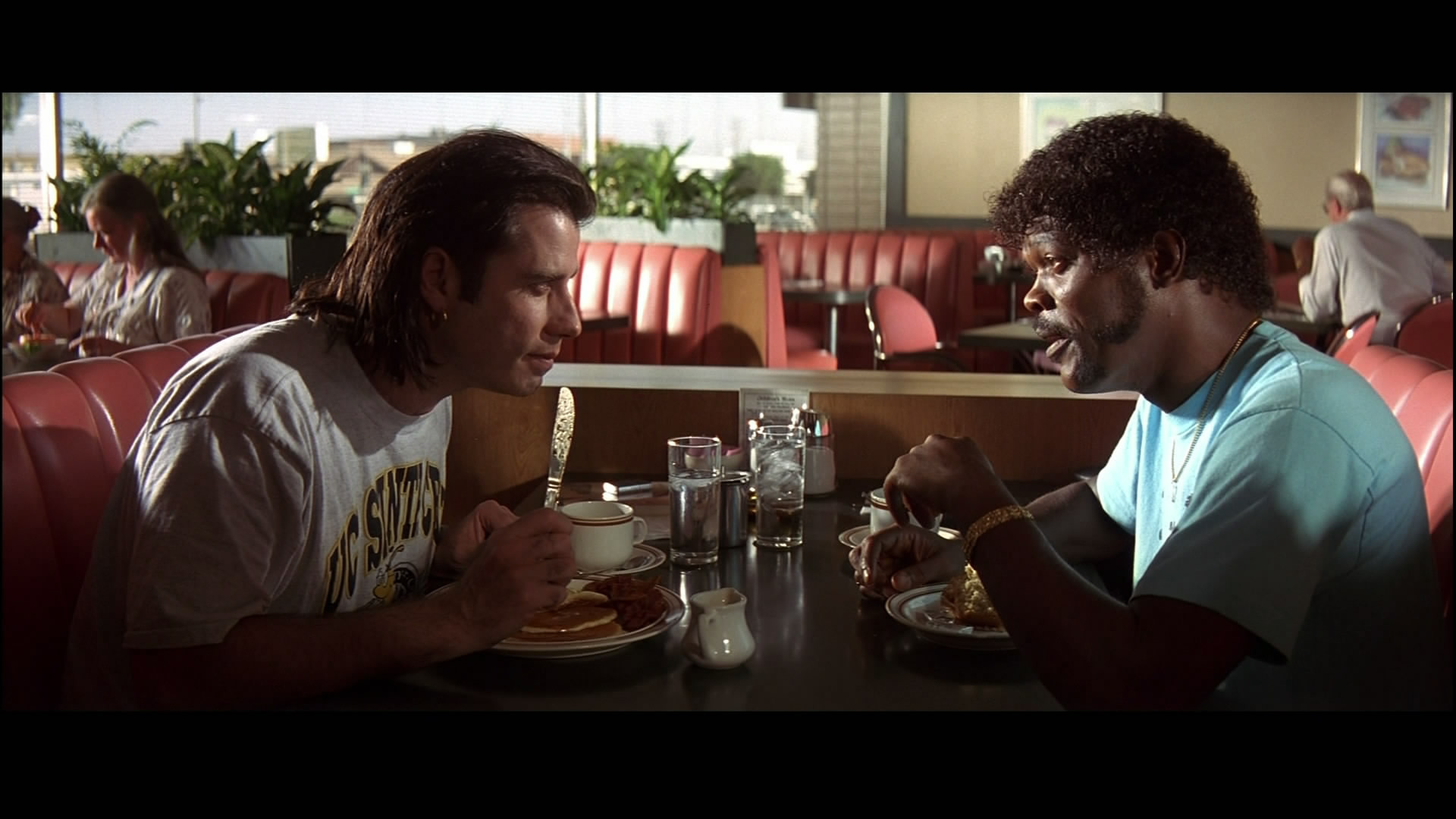
2. The European Tradition: Auteurs and Cahier du Cinema. Rosellini, Fellini, Godard, Truffaut, Jiri Menzel's Closely Watched Trains.  3. Pulp Fiction retro cinema and Tarantino as auteur: violence, race and the seduction of hard-core cool; or, "Am I getting this?" Scenes from retro cinema life: (1) Anglo-heritage and Honey Bunny (2) "Royale with cheese." How do gangsters talk Amsterdam ; (3) Ezekiel 25:17 Religion in America where Karma is not kind and we are not from south central L.A. (4) Son of a Preacher Man: drugs, money, boredom and the commodified life plus adrenaline Trainspotting style (5) Jack Rabbit Slims: wax museum with a pulse; the meaning of meaninglessness in celebrity culture or Fame in the 20th Century. (6) the history of the 20th century American style: the gold watch. (7) Bring out the gimp: sexuality and deviance in a Leave It To Beaver culture; the Puritan sexual legacy of Calvin and Jansen (8)Winston Wolf, the businessman penny capitalist can make a decision(9) Adam and Eve, guns and the African American.
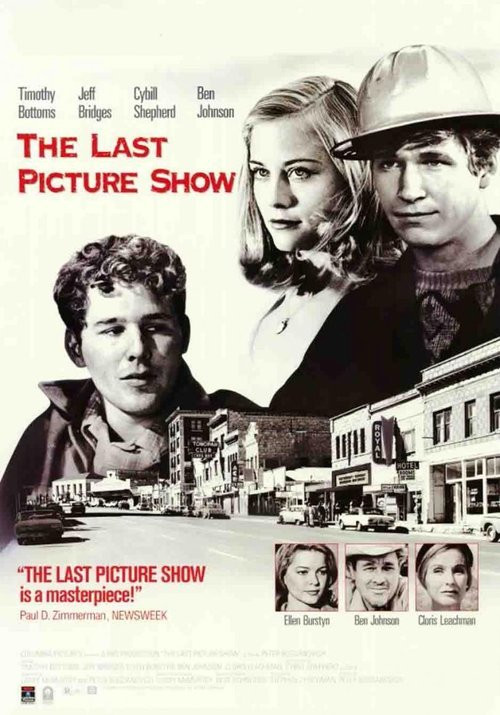
4. Peter Bogdanovich:The Last Picture Show trailer the politics of sex and the Hayes Code from the Last Picture Show to Blue Velvet. The Celluloid Closet of Vito Russo Hollywood Censored, morality codes, Catholics and the Movies.
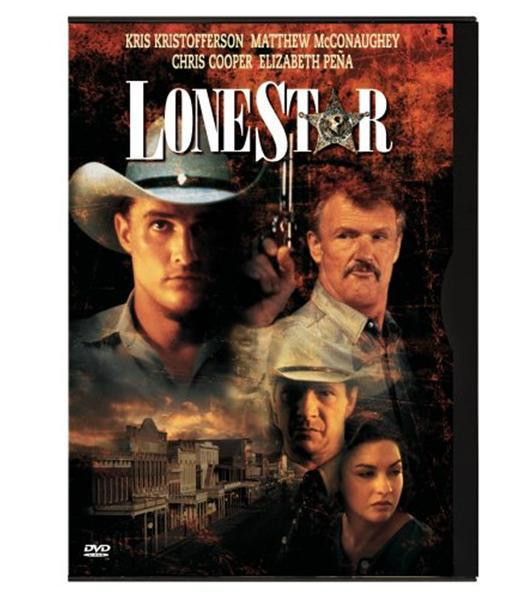
5. American stills and the Independents: fighting the studios. Stills from Lone Star Interview with John Sayles by Amy Goodman History Lessons I History Lessons Joe Morton, Chris Cooper; Frances McDormand; On casting Mathew McConaughey
6. Don't Frighten the Children! Animation: the Empire of the Mouse: Disney: "the unholy mixture of artist and businessman". WB: Termite Terrace the art of slapstick; Chuck Jones: Duck Amuck; Pop culture versus high culture: Bugs as Conductor; Wagner in 7 Minutes: the Ring Cycle: What's opera Doc: Pop culture versus High Culture: Long Haired Hare; Bugs as Franz List: The transgressive behaviour of Bugs: Judith/Jack Halberstam: "I also believe that Finding Nemo contains a secret plan for world revolution and that Chicken Run charts an outline of feminist utopia for those who can see beyond the feathers and eggs." The Queer Art of Failure, Duke University Press, 2011. Halberstam has also written on Pixar and the Toy Story franchise in particular:
"In Chapter 6 of The Queer Art of Failure, Judith Halberstam focuses more on the specific works of queer theory scholars, and examines works such as "Kung Fu Panda" and "Disney", to push her points forward. The sixth chapter truly encompasses the way animation is a "... rich, technological field for rethinking collectives, transformation identity, animality and post humanity."[14] A few of the large and popular examples she uses to prove her point and argue those of queer theory scholars are comparison of "George W. Bush" to the "Kung Fu Panda", Disney films and cartoons as a form of revolt, and the depth of form in Pixar films, such as Finding Nemo, Monsters, Inc. and A Bug's Life. In the chapter "Animating Failure: Ending, Fleeing, Surviving", Halberstam starts off by criticizing the view of Slavoj Zizek on Kung Fu Panda. Zizek compares the panda to George W. Bush, explaining that just like Bush, the panda rose to success because of the system, and that it was inherently tipped in his favor. Halberstam states that Kung Fu Panda "... joins new forms of animation to new conceptions of the human-animal divide to offer a very different political landscape than the one we inhabit, or at least the one Zizek imagines ..."[25] In addition to Kung Fu Panda, Halberstam goes in-depth on the complexity of animation, specifically in A Bug's Life, where a new form of "crowd scenes" were introduced. Stop-motion animation is the last point Halberstam touches on in this chapter. She goes into examples of "SpongeBob SquarePants", "Mr. Fox", "Chicken Run" and "Coraline" explaining how ideas of racism, entrapment, masculinity and political progression are present heavily in stop-motion films. Themes of remote control and imprisonment are also heavily present in stop-motion animation. The use of stop-motion animation can help evoke different emotions as well. For example, in Chicken Run, the start-stop jerkiness allows the narrative to be even more humorous. Themes of remote control and imprisonment are also heavily present in stop-motion animation. However, we must remember that "... the comedic soul of Chicken Run is not its operatic escape ... it's about the viewer's personal relationship with his or her inner chicken."[28]
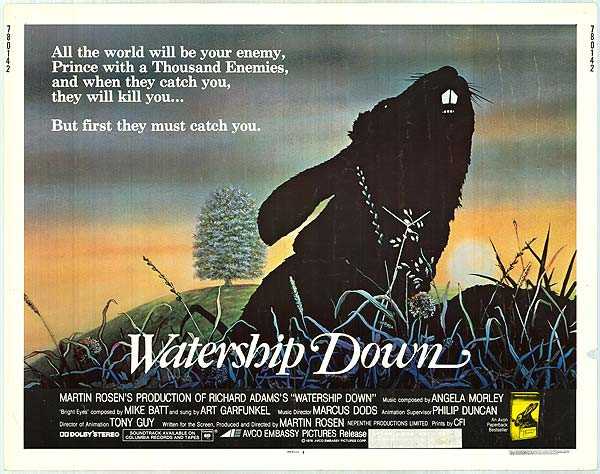
7 Minutes Itchy and Scratchy Land the Simpsons as social satire. South Park Pandemic Special: the legacy of Robert Crumb and Fritz the Cat. Michael Moore uses South Park: Princess Mononoke. Watership Down opening and ending. BBC series plot and theme summary
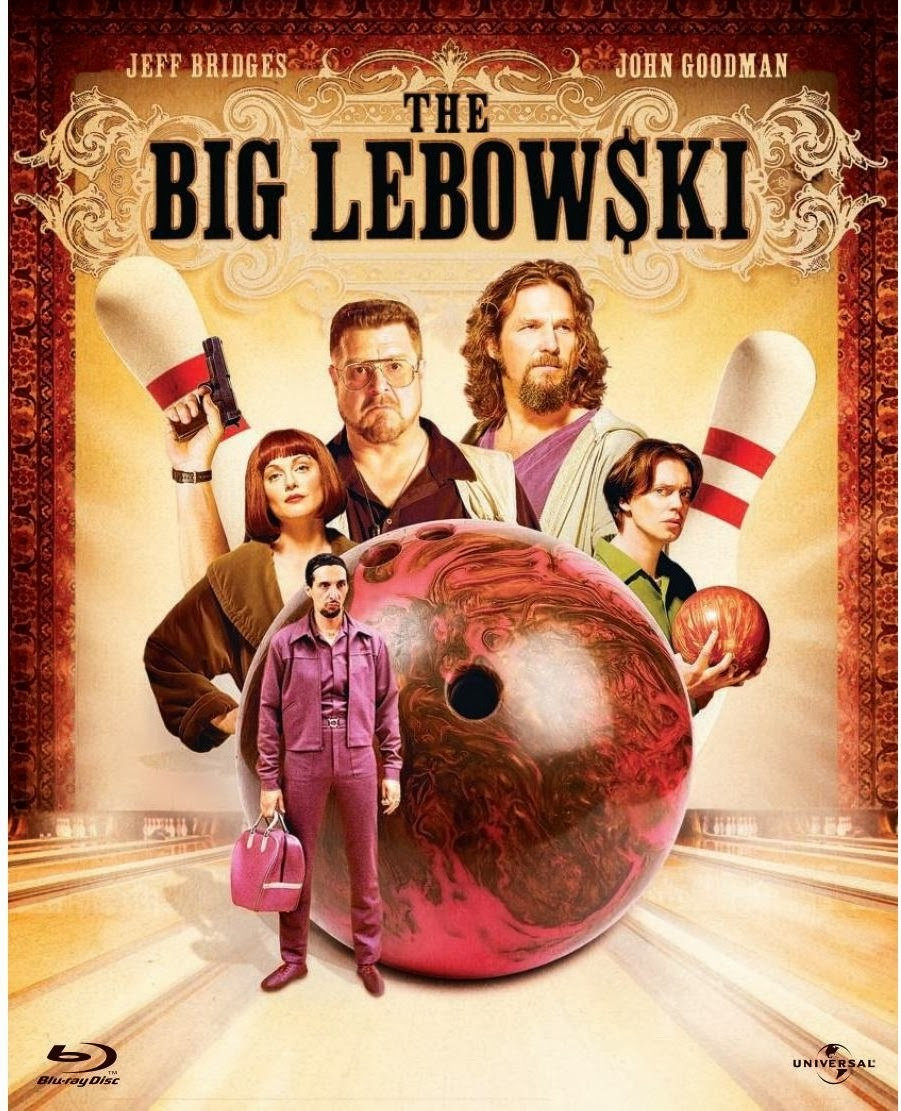
7. Hidden Auteurs in Hollywood: the Coen brothers and subversive cinema Gulf War: Trainspotting:Jesus scene: Cheque for milk: Iron lung, entertainment culture, and no death with dignity; Walter PTSD1 ; satire of new age neo-liberal performance art, everyone their own da Vinci or is that Margot Fonteyn; the Dude's landlord dances: Walter PTSD 2 Vietnam: And yes it is about Vietnam; The big picture: Manifest Destiny and Sam Elliott: flunking social studies and the Louisiana Purchase; Ersatz German culture with neo-Nazis on a shoestring budget; nihilists at breakfast; the bums lost, legacy of the Reagan era; the commodification of sex: Ben Gazzara as Hefner: that enduring suburban prejudice:Social and political satire disguised as a stoner film in the plot of a Chandler/ Hawks neo-noir.
8. Avoiding the Icon: Mike Leigh's Secrets and Lies. British "New Cinema" and Social Realism. Interview with the cast; video essay on Leigh;

9. Deflating the blockbuster: Art House Cinema on the installment plan.Documentary: the making of Festen. Interview with Thomas Vinterberg Dogma 95, The Celebration full movie; Festen background; Carl Theodor Dreyer; Ingmar Bergman; Lars Von Trier

10. Amores PerrosInterview with Alejandro Gonzales Iñárritu;To wander the earth like Cain; Interview with Bernal. New Mexican cinema: Alfonso cuaron, ALEJANDRO GONZALES Inarritu, Guillermo del Toro; "So far from God so close to the United States", Profiro Diaz:
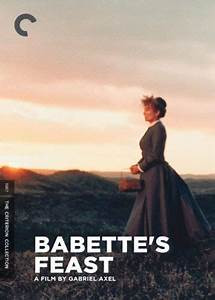
11. Babette's Feast. Merry Xmas from Eat Man Drink Woman to Babe: food, foodies and approaching 2 degrees in the anthropocene. The Meatrix.
ENGL 2733 Film I
Tuesday 4:00-6:50
Dr. Stewart Donovan
Hardcore Cool Lecture
Lecture 1 on Picture Show
Picture Show/ Lone Star(intro)
Lone Star Lecture 2
Watership Down Lecture One
Watership Down Lecture 2
Lebowski 2
Lecture on Secrets and Lies
Lecture on Celebration
Lecture 2 The Celebration
Lecture One Mexican Cinema
Lecture on Amores
Last Lecture for 2020 Babette's Feast
sdonovan@stu.ca
Topics and Lectures
1. Introduction: What's all this sitting in the dark?
Culture, politics, sex, art and entertainment . Cultural studies, politics and the Mass Medium, from the Frankfurt School to Marshall McLuhan. Eisenstein and the theory of Montage. The dilemma of aesthetics: D.W. Griffith's, John Ford, Leni Riefienstahl and racism. German expressionism and The Cabinet of Dr. Caligari. Theory: Astruc, Bazin, and Cahiers du Cinema, Andre Breton and the cinema age. The French New Wave; FrancoisTruffaut, and Jean Luc Godard; the Czech New Wave. Readings and References :Walter Benjamin: "The Work of Art in the Age of Mechanical Reproduction." Marshall McLuhan: The Gutenberg Galaxy, The Mechanical Bride, The Medium is the Message. Antonio Gramsci and the theory of hegemony. Theodore Adorno The Culture Industry and the commodification of culture. Chris Hedges Clive James Fame in the 20th Century Fame
2. The European Tradition: Auteurs and Cahier du Cinema. Rosellini, Fellini, Godard, Truffaut, Jiri Menzel's Closely Watched Trains. 3. Pulp Fiction retro cinema and Tarantino as auteur: violence, race and the seduction of hard-core cool; or, "Am I getting this?" Scenes from retro cinema life: (1) Anglo-heritage and Honey Bunny (2) "Royale with cheese." How do gangsters talk Amsterdam ; (3) Ezekiel 25:17 Religion in America where Karma is not kind and we are not from south central L.A. (4) Son of a Preacher Man: drugs, money, boredom and the commodified life plus adrenaline Trainspotting style (5) Jack Rabbit Slims: wax museum with a pulse; the meaning of meaninglessness in celebrity culture or Fame in the 20th Century. (6) the history of the 20th century American style: the gold watch. (7) Bring out the gimp: sexuality and deviance in a Leave It To Beaver culture; the Puritan sexual legacy of Calvin and Jansen (8)Winston Wolf, the businessman penny capitalist can make a decision(9) Adam and Eve, guns and the African American.
4. Peter Bogdanovich:The Last Picture Show trailer the politics of sex and the Hayes Code from the Last Picture Show to Blue Velvet. The Celluloid Closet of Vito Russo Hollywood Censored, morality codes, Catholics and the Movies.
5. American stills and the Independents: fighting the studios. Stills from Lone Star Interview with John Sayles by Amy Goodman History Lessons I History Lessons Joe Morton, Chris Cooper; Frances McDormand; On casting Mathew McConaughey
6. Don't Frighten the Children! Animation: the Empire of the Mouse: Disney: "the unholy mixture of artist and businessman". WB: Termite Terrace the art of slapstick; Chuck Jones: Duck Amuck; Pop culture versus high culture: Bugs as Conductor; Wagner in 7 Minutes: the Ring Cycle: What's opera Doc: Pop culture versus High Culture: Long Haired Hare; Bugs as Franz List: The transgressive behaviour of Bugs: Judith/Jack Halberstam: "I also believe that Finding Nemo contains a secret plan for world revolution and that Chicken Run charts an outline of feminist utopia for those who can see beyond the feathers and eggs." The Queer Art of Failure, Duke University Press, 2011. Halberstam has also written on Pixar and the Toy Story franchise in particular:
"In Chapter 6 of The Queer Art of Failure, Judith Halberstam focuses more on the specific works of queer theory scholars, and examines works such as "Kung Fu Panda" and "Disney", to push her points forward. The sixth chapter truly encompasses the way animation is a "... rich, technological field for rethinking collectives, transformation identity, animality and post humanity."[14] A few of the large and popular examples she uses to prove her point and argue those of queer theory scholars are comparison of "George W. Bush" to the "Kung Fu Panda", Disney films and cartoons as a form of revolt, and the depth of form in Pixar films, such as Finding Nemo, Monsters, Inc. and A Bug's Life. In the chapter "Animating Failure: Ending, Fleeing, Surviving", Halberstam starts off by criticizing the view of Slavoj Zizek on Kung Fu Panda. Zizek compares the panda to George W. Bush, explaining that just like Bush, the panda rose to success because of the system, and that it was inherently tipped in his favor. Halberstam states that Kung Fu Panda "... joins new forms of animation to new conceptions of the human-animal divide to offer a very different political landscape than the one we inhabit, or at least the one Zizek imagines ..."[25] In addition to Kung Fu Panda, Halberstam goes in-depth on the complexity of animation, specifically in A Bug's Life, where a new form of "crowd scenes" were introduced. Stop-motion animation is the last point Halberstam touches on in this chapter. She goes into examples of "SpongeBob SquarePants", "Mr. Fox", "Chicken Run" and "Coraline" explaining how ideas of racism, entrapment, masculinity and political progression are present heavily in stop-motion films. Themes of remote control and imprisonment are also heavily present in stop-motion animation. The use of stop-motion animation can help evoke different emotions as well. For example, in Chicken Run, the start-stop jerkiness allows the narrative to be even more humorous. Themes of remote control and imprisonment are also heavily present in stop-motion animation. However, we must remember that "... the comedic soul of Chicken Run is not its operatic escape ... it's about the viewer's personal relationship with his or her inner chicken."[28]
7 Minutes Itchy and Scratchy Land the Simpsons as social satire. South Park Pandemic Special: the legacy of Robert Crumb and Fritz the Cat. Michael Moore uses South Park: Princess Mononoke. Watership Down opening and ending. BBC series plot and theme summary
7. Hidden Auteurs in Hollywood: the Coen brothers and subversive cinema Gulf War: Trainspotting:Jesus scene: Cheque for milk: Iron lung, entertainment culture, and no death with dignity; Walter PTSD1 ; satire of new age neo-liberal performance art, everyone their own da Vinci or is that Margot Fonteyn; the Dude's landlord dances: Walter PTSD 2 Vietnam: And yes it is about Vietnam; The big picture: Manifest Destiny and Sam Elliott: flunking social studies and the Louisiana Purchase; Ersatz German culture with neo-Nazis on a shoestring budget; nihilists at breakfast; the bums lost, legacy of the Reagan era; the commodification of sex: Ben Gazzara as Hefner: that enduring suburban prejudice:Social and political satire disguised as a stoner film in the plot of a Chandler/ Hawks neo-noir.
8. Avoiding the Icon: Mike Leigh's Secrets and Lies. British "New Cinema" and Social Realism. Interview with the cast; video essay on Leigh;
9. Deflating the blockbuster: Art House Cinema on the installment plan.Documentary: the making of Festen. Interview with Thomas Vinterberg Dogma 95, The Celebration full movie; Festen background; Carl Theodor Dreyer; Ingmar Bergman; Lars Von Trier
10. Amores PerrosInterview with Alejandro Gonzales Iñárritu;To wander the earth like Cain; Interview with Bernal. New Mexican cinema: Alfonso cuaron, ALEJANDRO GONZALES Inarritu, Guillermo del Toro; "So far from God so close to the United States", Profiro Diaz:
11. Babette's Feast. Merry Xmas from Eat Man Drink Woman to Babe: food, foodies and approaching 2 degrees in the anthropocene. The Meatrix.
ENGL 2733 Film I
Tuesday 4:00-6:50
Dr. Stewart Donovan
Hardcore Cool Lecture
Lecture 1 on Picture Show
Picture Show/ Lone Star(intro)
Lone Star Lecture 2
Watership Down Lecture One
Watership Down Lecture 2
Lebowski 2
Lecture on Secrets and Lies
Lecture on Celebration
Lecture 2 The Celebration
Lecture One Mexican Cinema
Lecture on Amores
Last Lecture for 2020 Babette's Feast
sdonovan@stu.ca
Topics and Lectures
1. Introduction: What's all this sitting in the dark?
Culture, politics, sex, art and entertainment . Cultural studies, politics and the Mass Medium, from the Frankfurt School to Marshall McLuhan. Eisenstein and the theory of Montage. The dilemma of aesthetics: D.W. Griffith's, John Ford, Leni Riefienstahl and racism. German expressionism and The Cabinet of Dr. Caligari. Theory: Astruc, Bazin, and Cahiers du Cinema, Andre Breton and the cinema age. The French New Wave; FrancoisTruffaut, and Jean Luc Godard; the Czech New Wave. Readings and References :Walter Benjamin: "The Work of Art in the Age of Mechanical Reproduction." Marshall McLuhan: The Gutenberg Galaxy, The Mechanical Bride, The Medium is the Message. Antonio Gramsci and the theory of hegemony. Theodore Adorno The Culture Industry and the commodification of culture. Chris Hedges Clive James Fame in the 20th Century Fame
2. The European Tradition: Auteurs and Cahier du Cinema. Rosellini, Fellini, Godard, Truffaut, Jiri Menzel's Closely Watched Trains. 3. Pulp Fiction retro cinema and Tarantino as auteur: violence, race and the seduction of hard-core cool; or, "Am I getting this?" Scenes from retro cinema life: (1) Anglo-heritage and Honey Bunny (2) "Royale with cheese." How do gangsters talk Amsterdam ; (3) Ezekiel 25:17 Religion in America where Karma is not kind and we are not from south central L.A. (4) Son of a Preacher Man: drugs, money, boredom and the commodified life plus adrenaline Trainspotting style (5) Jack Rabbit Slims: wax museum with a pulse; the meaning of meaninglessness in celebrity culture or Fame in the 20th Century. (6) the history of the 20th century American style: the gold watch. (7) Bring out the gimp: sexuality and deviance in a Leave It To Beaver culture; the Puritan sexual legacy of Calvin and Jansen (8)Winston Wolf, the businessman penny capitalist can make a decision(9) Adam and Eve, guns and the African American.
4. Peter Bogdanovich:The Last Picture Show trailer the politics of sex and the Hayes Code from the Last Picture Show to Blue Velvet. The Celluloid Closet of Vito Russo Hollywood Censored, morality codes, Catholics and the Movies.
5. American stills and the Independents: fighting the studios. Stills from Lone Star Interview with John Sayles by Amy Goodman History Lessons I History Lessons Joe Morton, Chris Cooper; Frances McDormand; On casting Mathew McConaughey
6. Don't Frighten the Children! Animation: the Empire of the Mouse: Disney: "the unholy mixture of artist and businessman". WB: Termite Terrace the art of slapstick; Chuck Jones: Duck Amuck; Pop culture versus high culture: Bugs as Conductor; Wagner in 7 Minutes: the Ring Cycle: What's opera Doc: Pop culture versus High Culture: Long Haired Hare; Bugs as Franz List: The transgressive behaviour of Bugs: Judith/Jack Halberstam: "I also believe that Finding Nemo contains a secret plan for world revolution and that Chicken Run charts an outline of feminist utopia for those who can see beyond the feathers and eggs." The Queer Art of Failure, Duke University Press, 2011. Halberstam has also written on Pixar and the Toy Story franchise in particular:
"In Chapter 6 of The Queer Art of Failure, Judith Halberstam focuses more on the specific works of queer theory scholars, and examines works such as "Kung Fu Panda" and "Disney", to push her points forward. The sixth chapter truly encompasses the way animation is a "... rich, technological field for rethinking collectives, transformation identity, animality and post humanity."[14] A few of the large and popular examples she uses to prove her point and argue those of queer theory scholars are comparison of "George W. Bush" to the "Kung Fu Panda", Disney films and cartoons as a form of revolt, and the depth of form in Pixar films, such as Finding Nemo, Monsters, Inc. and A Bug's Life. In the chapter "Animating Failure: Ending, Fleeing, Surviving", Halberstam starts off by criticizing the view of Slavoj Zizek on Kung Fu Panda. Zizek compares the panda to George W. Bush, explaining that just like Bush, the panda rose to success because of the system, and that it was inherently tipped in his favor. Halberstam states that Kung Fu Panda "... joins new forms of animation to new conceptions of the human-animal divide to offer a very different political landscape than the one we inhabit, or at least the one Zizek imagines ..."[25] In addition to Kung Fu Panda, Halberstam goes in-depth on the complexity of animation, specifically in A Bug's Life, where a new form of "crowd scenes" were introduced. Stop-motion animation is the last point Halberstam touches on in this chapter. She goes into examples of "SpongeBob SquarePants", "Mr. Fox", "Chicken Run" and "Coraline" explaining how ideas of racism, entrapment, masculinity and political progression are present heavily in stop-motion films. Themes of remote control and imprisonment are also heavily present in stop-motion animation. The use of stop-motion animation can help evoke different emotions as well. For example, in Chicken Run, the start-stop jerkiness allows the narrative to be even more humorous. Themes of remote control and imprisonment are also heavily present in stop-motion animation. However, we must remember that "... the comedic soul of Chicken Run is not its operatic escape ... it's about the viewer's personal relationship with his or her inner chicken."[28]
7 Minutes Itchy and Scratchy Land the Simpsons as social satire. South Park Pandemic Special: the legacy of Robert Crumb and Fritz the Cat. Michael Moore uses South Park: Princess Mononoke. Watership Down opening and ending. BBC series plot and theme summary
7. Hidden Auteurs in Hollywood: the Coen brothers and subversive cinema Gulf War: Trainspotting:Jesus scene: Cheque for milk: Iron lung, entertainment culture, and no death with dignity; Walter PTSD1 ; satire of new age neo-liberal performance art, everyone their own da Vinci or is that Margot Fonteyn; the Dude's landlord dances: Walter PTSD 2 Vietnam: And yes it is about Vietnam; The big picture: Manifest Destiny and Sam Elliott: flunking social studies and the Louisiana Purchase; Ersatz German culture with neo-Nazis on a shoestring budget; nihilists at breakfast; the bums lost, legacy of the Reagan era; the commodification of sex: Ben Gazzara as Hefner: that enduring suburban prejudice:Social and political satire disguised as a stoner film in the plot of a Chandler/ Hawks neo-noir.
8. Avoiding the Icon: Mike Leigh's Secrets and Lies. British "New Cinema" and Social Realism. Interview with the cast; video essay on Leigh;
9. Deflating the blockbuster: Art House Cinema on the installment plan.Documentary: the making of Festen. Interview with Thomas Vinterberg Dogma 95, The Celebration full movie; Festen background; Carl Theodor Dreyer; Ingmar Bergman; Lars Von Trier
10. Amores PerrosInterview with Alejandro Gonzales Iñárritu;To wander the earth like Cain; Interview with Bernal. New Mexican cinema: Alfonso cuaron, ALEJANDRO GONZALES Inarritu, Guillermo del Toro; "So far from God so close to the United States", Profiro Diaz:
11. Babette's Feast. Merry Xmas from Eat Man Drink Woman to Babe: food, foodies and approaching 2 degrees in the anthropocene. The Meatrix.